How to Water Your Orchid (And How Often): 5 Simple Steps for Healthy Blooms
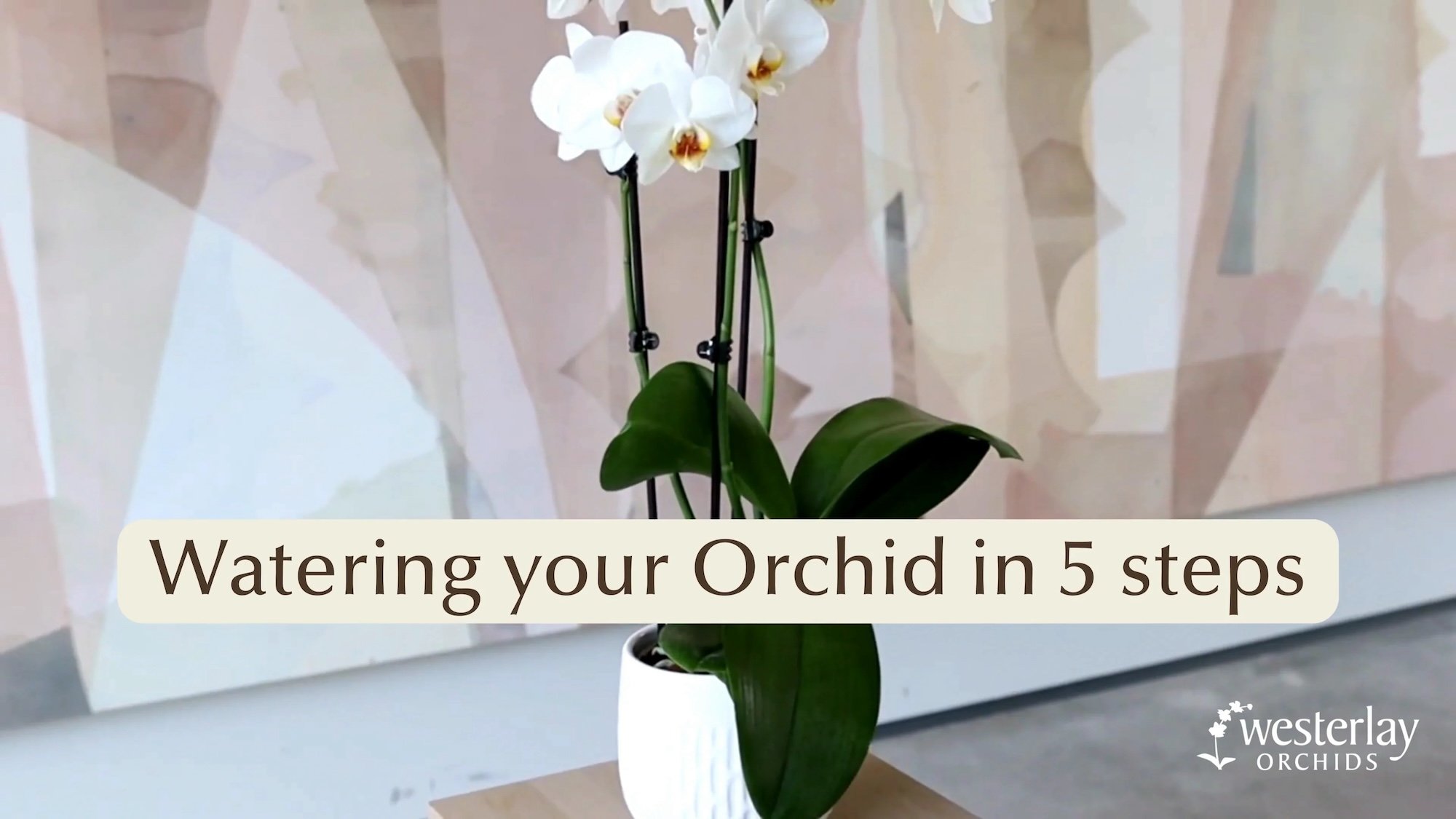
Simple Steps for Watering Orchids Properly
Check the roots of your orchid. If the roots are green and the bark is dark and moist - watering can wait a few more days. If the roots look grey, and the bark is dry - it's time to water
Remove the plastic grow pot from inside the decorative ceramic and place the orchid in a water-tight container
Pour water onto the bark and let the water fill the container to the halfway mark
Let the orchid soak for at least 20 minutes. If the orchid is very dry, it can soak for 1-2 hours
Remove the orchid and its plastic grow pot from the water and allow the roots to dry. You can pour out the remaining water from the container
Return the orchid and its plastic grow pot to the decorative ceramic and enjoy!
Why Watering Orchids Is Different
If you’ve ever wondered why watering orchids feels so different from watering other houseplants, you’re not alone. Orchids are a bit special — and that’s part of their charm.
Most orchids you’ll find in homes, like Phalaenopsis (moth orchids), are epiphytes — meaning they grow on trees in nature, not in soil. Their roots are covered in a spongy layer called velamen, which acts like a moisture sponge. It absorbs water quickly during rain and dries out between showers.
This means orchids prefer a “soak and dry” rhythm, not constantly damp conditions. Once you understand that, watering becomes less of a mystery and more of a mindful ritual.
How Often to Water an Orchid
One of the most common orchid questions is: “How often should I water my orchid?”
The short answer: about once a week. But the real answer depends on your home environment and your orchid’s setup.
Check for Signs, Not Just the Calendar
Roots: Bright green = moist. Silvery gray = time to water.
Bark or moss: Feels dry to the touch or looks pale? That’s your cue.
Pot weight: A dry pot feels lighter when lifted.
Humidity and temperature: Warm, dry air means faster drying and more frequent watering.
Pro Tip: Insert a wooden skewer or chopstick into the potting mix. If it comes out dry, your orchid is ready for a soak.
How to Water Orchids: Step-by-Step Guide
When it’s time to water, follow this proven Westerlay method — the same one we use in our greenhouses to keep orchids healthy, hydrated, and blooming beautifully.
Step 1: Check the Roots
Before watering, always look at the roots. If they’re gray and dry, it’s time to water. If they’re still bright green, wait a few more days.
Step 2: Place Your Orchid in a Watertight Container
Set your orchid (still in its grower pot) inside a bowl, sink, or watertight container. This allows for soaking without mess and prevents overwatering.
Step 3: Fill Halfway with Water
Add room-temperature water until it reaches about halfway up the pot. Avoid pouring water directly over the leaves or crown — that area is sensitive and can trap moisture, leading to rot.
Step 4: Let It Soak
Allow your orchid to soak for 20 minutes. This gives the velamen time to absorb moisture and rehydrate the plant.
If your orchid has gone a long time without water, you can let it soak for up to two hours. Just don’t forget about it!
Step 5: Drain Thoroughly
Lift the orchid pot from the water and let it drain completely. Discard any standing water from decorative containers — orchids should never sit in pooled water.
Common Orchid Watering Mistakes (and How to Avoid Them)
Even experienced plant lovers sometimes make these watering mistakes — here’s how to avoid them.
Mistake #1: Overwatering
What Happens: Roots turn brown, mushy, or smelly
How to Fix It: Water less often and ensure the pot drains freely.
Mistake #2: Underwatering
What Happens: Roots become gray and brittle; leaves shrivel
How to Fix It: Soak thoroughly for 20–30 minutes and increase frequency slightly.
Mistake #3: Water on the Crown
What Happens: Rot at the base of leaves
How to Fix It: Water at the roots, not over the plant
Mistake #2: Standing Water in Pot
What Happens: Suffocated roots
How to Fix It: Always pour out excess water

Special Considerations by Orchid Type
While most Westerlay orchids are Phalaenopsis, different orchid types — and even related plants like bromeliads — have unique watering needs. Understanding each one helps you give them just the right amount of care.
Phalaenopsis (Moth Orchid)
Water just as the roots turn silver — about once a week. These orchids prefer steady hydration but should dry slightly between waterings.
Cattleya & Oncidium
These orchids have pseudobulbs, small water-storage organs that let them handle drier periods. Let the potting mix dry completely before watering again.
Dendrobium
Active growers in spring and summer, these orchids like more frequent watering during growth and less in winter when they rest.
Paphiopedilum (Lady Slipper)
Keep the medium evenly moist at all times. These orchids don’t have storage organs and don’t like to dry out completely.
Kokedama Orchid (Moss Ball Orchid)
Kokedama are orchids grown in a ball of moss — a living sculpture that needs special attention.
To water, submerge the moss ball in a bowl of room-temperature water for 10–15 minutes.
Let it drain thoroughly before returning it to its display.
Water again once the moss feels dry and light — usually every 5–7 days, depending on your home’s humidity.
Westerlay Tip: Kokedama like airflow and consistent moisture, but not wet feet. Think of it as maintaining a spring-fresh sponge — damp, never soggy.
Bromeliad (Orchid Companion Plant)
Though not technically an orchid, bromeliads are often grown alongside them — and their watering rhythm is very different.
Keep the central cup or “tank” filled with fresh water.
Flush and refill it weekly to prevent stagnation.
Mist the leaves regularly, and keep the soil or bark slightly damp but not soggy.
Westerlay Tip: Bromeliads absorb much of their moisture through their leaves, not just their roots — think humidity, not soaking.
How to Test for Dryness
Here are a few easy, greenhouse-approved ways to know when your orchid is thirsty:
The Finger Test: Stick your finger about an inch into the pot. If it feels dry, it’s time to water.
The Skewer Method: Place a wooden skewer or chopstick in the medium; if it comes out clean and dry, water.
The Weight Test: Lift the pot after watering, then again after a few days. You’ll quickly learn the difference between “wet” and “dry” weight.
With a little practice, you’ll know instinctively when your orchid is ready for a drink.
FAQs: Watering Orchids
1. Can I water my orchid with ice cubes?
We don’t recommend it. Ice watering can shock the roots. Instead, use room-temperature water and soak thoroughly for even hydration.
2. What kind of water is best?
Filtered, distilled, or tap water that’s been left out overnight works best. Avoid softened water — the added salts can damage roots.
3. Should I mist my orchid?
Light misting can help humidity, but avoid letting water pool in the crown or between leaves.
4. Why are my orchid’s roots growing out of the pot?
Those are aerial roots — completely normal! They help your orchid breathe and absorb moisture. Don’t trim them.
5. How do I tell if I’m overwatering or underwatering?
Overwatering: Mushy brown roots, limp leaves.
Underwatering: Gray, dry roots, wrinkled leaves.
6. Can I water my orchid while it’s in bloom?
Absolutely — blooming orchids still need consistent hydration. Just be gentle to avoid splashing water on the flowers.
The Westerlay Way: Growing Joy, One Orchid at a Time
At Westerlay Orchids, we’ve spent decades perfecting the balance of art and science behind orchid care. We believe that watering should never feel intimidating — it’s simply an act of care and attention that keeps your plant happy and blooming.
Once you’ve mastered watering, explore the rest of orchid care: light, humidity, and repotting — all part of helping your orchid thrive year after year.
And if you’re an event planner, florist, or designer looking to share that beauty on a larger scale, explore Box of Orchids — our wholesale collection of premium, hand-grown orchids shipped fresh from our California greenhouses.
Westerlay Orchids
Every Orchid Has a Story